
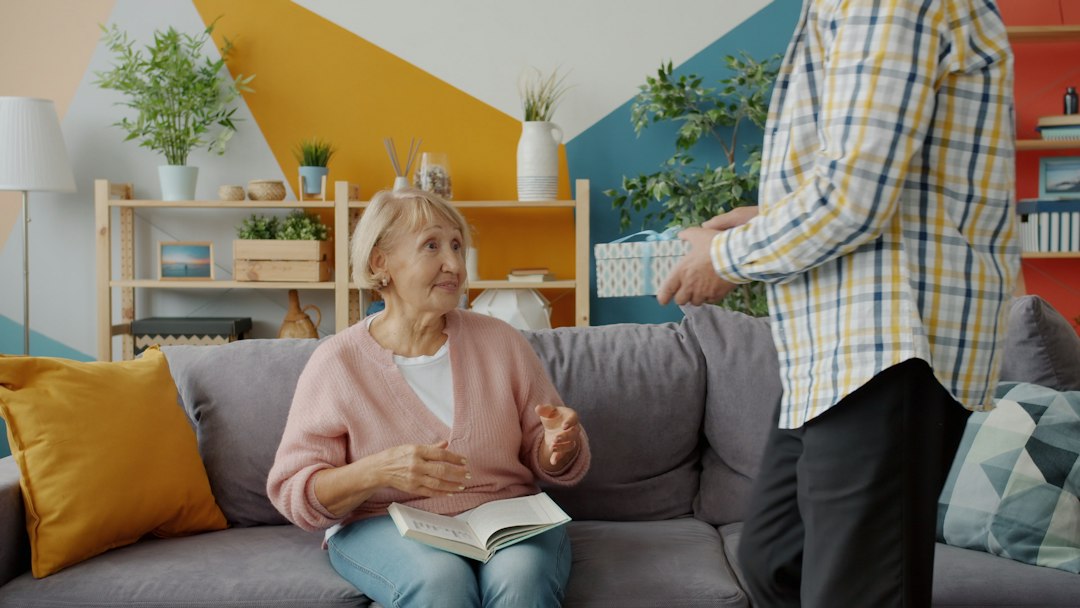
Remaining at home can provide older adults with familiarity, comfort, and a stronger sense of independence. However, everyday responsibilities may become more difficult with age, illness, or changes in mobility. Personalized in-home care Miami services can help individuals manage daily activities while continuing to enjoy their preferred routines in a familiar environment. With suitable assistance, seniors can receive practical support without giving up the comfort and dignity of living at home.
Understanding In-Home Care Services
In-home care is designed to support individuals who need assistance with everyday tasks but wish to remain in their own residences. The level of support can vary according to personal circumstances, physical abilities, and family preferences.
Some individuals may only need occasional help with household responsibilities, while others benefit from regular assistance throughout the day. A personalized care arrangement considers these differences and focuses on the tasks that make daily living safer and more manageable.
Care plans may include personal assistance, meal preparation, light housekeeping, companionship, mobility support, and help maintaining daily schedules. The goal is to provide appropriate assistance while encouraging individuals to participate in activities they can still perform independently.
Supporting Daily Living and Personal Routines
Everyday activities can become challenging when strength, balance, or mobility changes. Assistance with bathing, dressing, grooming, and other personal routines can help seniors maintain comfort and confidence.
Meal preparation is another valuable service. Nutritious meals support general wellbeing, while assistance with planning and preparing food can reduce the effort required to manage kitchen tasks. Caregivers may also help with grocery-related errands and keeping essential household items organized, depending on the agreed care arrangement.
Light housekeeping, laundry, and basic organization can contribute to a comfortable living environment. When these responsibilities become easier to manage, older adults may have more time and energy for activities they enjoy.
Encouraging Independence and Emotional Wellbeing
Quality in-home care should support independence rather than unnecessarily replace it. Encouraging seniors to make everyday choices and remain involved in their routines can help preserve confidence and a sense of control.
Emotional wellbeing is equally important. Spending long periods alone may lead to loneliness or reduced social engagement. Companionship provides opportunities for conversation, shared hobbies, reading, games, and other enjoyable activities.
Caregivers can also help seniors maintain connections with relatives and friends. Depending on individual preferences, this may involve assisting with communication or accompanying them on appropriate outings. Regular social interaction can make daily life more engaging and meaningful.
How In-Home Care Supports Families
Family members often take on significant responsibilities when an older relative needs assistance. Managing personal care, household tasks, appointments, and other commitments can become difficult alongside work and family obligations.
Professional in-home support can help distribute these responsibilities. Families may gain additional time to maintain meaningful relationships while knowing that agreed daily tasks are receiving attention.
Communication between caregivers and relatives is essential. Sharing relevant observations about routines, preferences, and changing needs helps everyone remain informed. Families should understand the care schedule, included services, and procedures for discussing concerns.
Creating a Comfortable Home Environment
A familiar home can provide reassurance, but it may also contain obstacles for people with reduced mobility. Loose rugs, dim lighting, cluttered walkways, and inaccessible storage can make movement more difficult.
Simple adjustments can improve convenience and reduce everyday hazards. Better lighting, clear pathways, secure handrails, and frequently used items placed within easy reach can make the home more accessible. Families should also discuss any significant safety concerns with appropriate professionals.
Choosing Personalized Care in Miami
Selecting an in-home care arrangement begins with understanding the individual’s needs, preferences, and daily challenges. Families should consider caregiver compatibility, scheduling flexibility, service availability, communication practices, and the ability to adjust support when circumstances change.
In-home care is generally focused on non-medical assistance unless specific clinical services are provided by appropriately qualified professionals. Medical needs should be discussed with the relevant healthcare team.
With compassionate assistance and thoughtful planning, seniors in Miami can continue enjoying familiar surroundings while receiving support that respects their choices. Personalized in-home care can help make independent living more comfortable, manageable, and fulfilling for individuals and their families.
What You Need to Know
- In-home care services provide support for older adults who wish to remain in their residences while managing daily activities.
- Care plans can include personal assistance, meal preparation, light housekeeping, companionship, and mobility support tailored to individual needs.
- Quality in-home care aims to support independence by encouraging seniors to make choices and remain involved in their routines.
- Companionship is a key aspect of in-home care that helps reduce loneliness and promotes social engagement among older adults.
- Families can benefit from professional in-home support by alleviating caregiving responsibilities and maintaining meaningful relationships.
- Home safety can be improved for seniors by addressing obstacles such as loose rugs, poor lighting, and cluttered walkways.


